

The Allure of Risk in Gambling
Casino gambling rests at the intersection of chance and choice, where risk-taking becomes an exhilarating pursuit. The thrill of potentially winning a jackpot serves as a powerful motivator for many players, drawing them to the gaming tables and slot machines. This allure stems from the way our brains are wired to respond to risk and reward, often leading individuals to engage in behavior that might seem irrational from an outside perspective. For instance, those interested in maximizing their winning potential might look for a sports betting sign up bonus to enhance their experience.
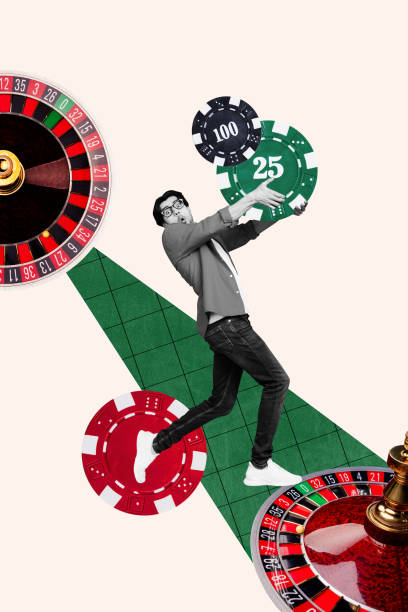
The excitement associated with risking money can activate the brain’s reward system. Neurotransmitters like dopamine are released during these high-stakes moments, generating feelings of pleasure and anticipation. As a result, gamblers often seek out this rush, even if it means incurring losses. Understanding this psychological aspect can shed light on why some individuals are more inclined to embrace risk, despite the potential for negative outcomes.
The Role of Cognitive Biases
Cognitive biases significantly influence risk-taking behavior in casino gambling. One prominent effect is the illusion of control, whereby gamblers believe they can influence the outcome of random events, such as dice rolls or card draws. This misconception can lead to increased betting and greater willingness to take risks, as players feel empowered to impact their successes.
Addiction can also stem from cognitive biases such as the gambler’s fallacy, where individuals believe that past outcomes will affect future results. For instance, a player may assume that a winning streak will continue indefinitely or that a losing streak must soon end. These biases contribute to a distorted perception of risk, ultimately driving players to make bolder bets than they otherwise would.
Emotional Factors in Risk-Taking
Emotions play a significant role in the decision-making processes involved in gambling. Many gamblers experience a rush of excitement when placing bets, which can cloud their judgment and lead them to take excessive risks. Events such as a near miss, where players come close to winning, can heighten this emotional response, leading to repeated risk-taking behavior in hopes of achieving the elusive win.
The interplay of emotions like stress, euphoria, and anxiety can create a rollercoaster effect in a gambler’s experience. The fluctuating emotional states can encourage players to chase their losses or gamble in the hopes of recapturing the initial thrill, perpetuating a cycle of risk-taking that often overshadows rational decision-making.
The Impact of Social Influences
Social contexts significantly shape risk-taking behaviors in gambling environments. Being in a casino filled with fellow players can amplify excitement and encourage individuals to take risks they may otherwise avoid. The social proof effect suggests that observing others winning can create a sense of security, prompting players to engage in similar behaviors and increasing their willingness to take risks.
Moreover, peer pressure can drive individuals to gamble beyond their limits, whether through shared enthusiasm in a group or the desire to fit in. This social dynamic influences not just the amount wagered but also the types of games played, as individuals may be swayed by the preferences and behaviors of those around them, leading to an escalation in their own risk-taking tendencies.

Ensuring Safe Gambling Practices
As the psychology of risk-taking in casino gambling is explored, it becomes essential to promote responsible gambling practices. Many casinos now offer resources and programs aimed at educating players about the risks involved in gambling and the importance of setting personal limits. By fostering awareness around these psychological influences, both gamblers and casino operators can work towards creating a safer gambling environment.
Additionally, understanding the triggers that lead to excessive risk-taking can empower individuals to make informed choices. Awareness campaigns and support systems can encourage healthier gambling habits, helping to mitigate the potential harm associated with high-risk behaviors. In this way, the excitement of casino gambling can remain a source of entertainment rather than a detrimental pursuit.


 English
 Arabic
 French
 German
 Hindi
Hindi Italian
 Portuguese
 Punjabi
 Spanish